Protein-Based Biocomputation: Memory Mechanisms in Prion-Like Structures
Recent advances in structural biology have revealed that certain protein aggregates—once associated solely with pathology—may serve as stable information carriers. These prion-like domains exhibit bistable conformational states, allowing them to function as binary switches at the molecular level.
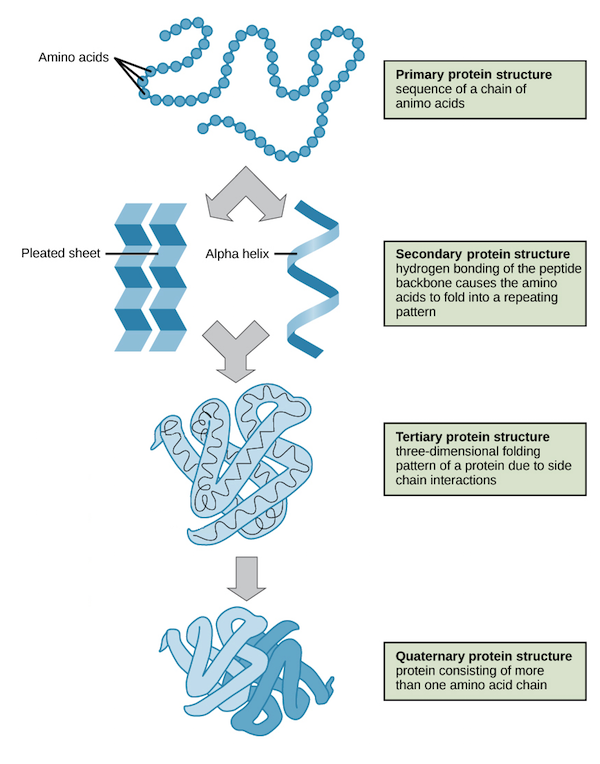
Our experiments demonstrate that engineered prion variants can be “written” and “read” using targeted enzymatic cues, effectively creating a rewritable biological memory substrate. This system operates independently of nucleic acid sequences, suggesting an additional layer of heritable information in cellular systems.
Furthermore, we observed network-like behavior in cultured neural tissues exposed to prion-based memory triggers, indicating that protein-level computation may underpin certain forms of non-synaptic plasticity previously unaccounted for in learning models.